


Autoimmune Disease R&D: Iterations of B‑Cell Pathway Targets
 source:ELK Biotechnology
 date:2026-08-13
 views:245
Hot‑Topic Insight: New Landscape in Autoimmune Disease R&D — Full‑Spectrum Iteration of B‑Cell Pathway Targets
Introduction
Autoimmune diseases such as systemic lupus erythematosus (SLE), rheumatoid arthritis (RA), Sjögren’s syndrome and inflammatory bowel disease afflict hundreds of millions of patients worldwide. Historically, clinical management largely relied on hormones and broad‑spectrum immunosuppressants to non‑specifically suppress inflammation, accompanied by severe side‑effects and high relapse rates.
Advances in immunological research have established a widely‑accepted consensus: aberrant B‑cell activation and excessive autoantibody secretion represent core drivers for the majority of autoimmune disorders. Targeted drug development based on the B‑cell receptor (BCR) signaling axis and regulatory pathways governing B‑cell survival has become the dominant R&D focus in the autoimmune field over the past three years. Multiple targets including BTK, BAFF, FcRn, IL‑4Rα and TL1A have undergone successive iterations and clinical translation.
Drawing on hands‑on experience in scientific research assays, Kelu Bioscience systematically reviews R&D progress for popular B‑cell‑pathway targets. We also present a complete ELISA‑based detection solution for target‑mechanism research and in‑vivo pharmacodynamic evaluation using animal models.
I. Core Mechanism: B‑Cell Dysregulation — Root Cause of Autoimmune Diseases
Under physiological conditions, B‑cells accurately recognize foreign pathogens and produce protective antibodies. In autoimmune patients, immune tolerance breaks down: autoreactive B‑cells proliferate and differentiate in an uncontrolled manner, secreting large quantities of autoantibodies that attack host tissues and trigger persistent systemic chronic inflammation as well as multi‑organ injury.
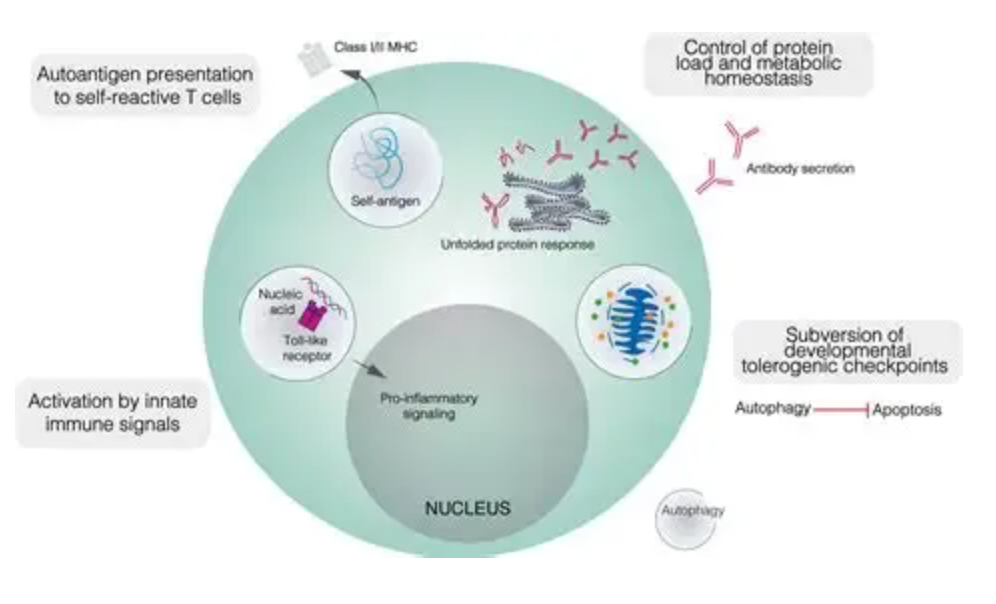
Every key molecule along signaling pathways that govern B‑cell development, activation, survival and antibody secretion can serve as a pharmacological intervention target. The field has evolved beyond early CD20‑depletion monotherapy toward a new iterative era featuring multi‑pathway precise modulation, with combined small‑molecule and large‑molecule therapeutic strategies.
II. In‑depth Analysis of Five Prominent B‑Cell‑Pathway Targets
1. BTK: Core Kinase of the BCR Pathway, a Prime Target for Small‑Molecule Inhibitors
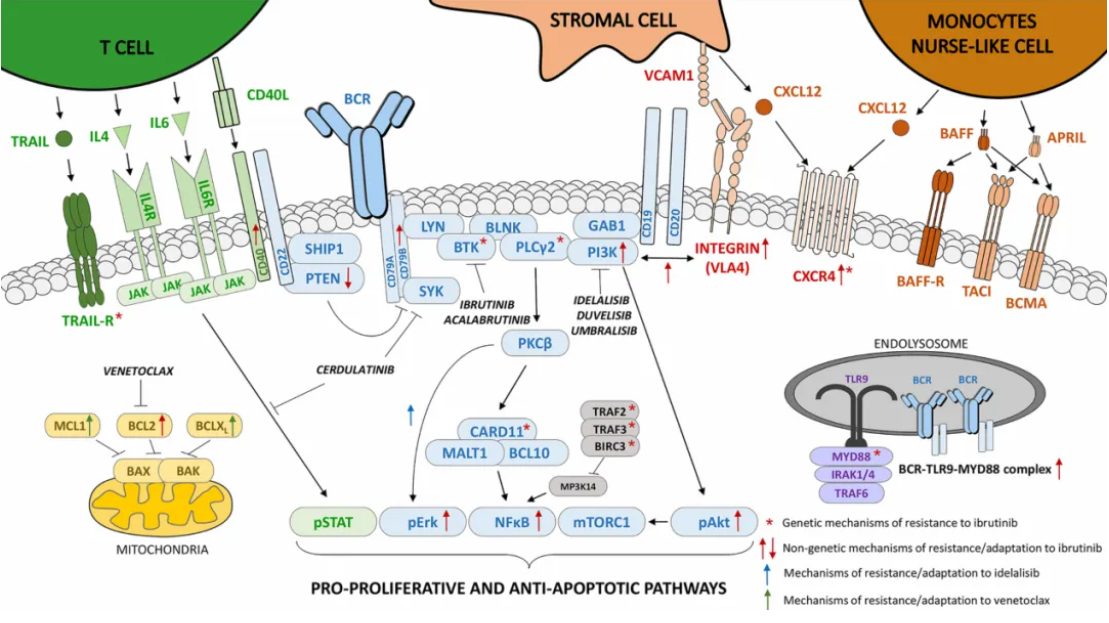
Bruton’s tyrosine kinase (BTK) acts as a central hub within the B‑cell receptor (BCR) signaling cascade. It transduces upstream antigen‑recognition signals and modulates B‑cell proliferation, maturation, survival and cytokine release, serving as an indispensable node for B‑cell activation.
- R&D Iteration: The first‑generation BTK inhibitor ibrutinib pioneered autoimmune‑disease research. Second‑generation highly‑selective BTK inhibitors exhibit markedly reduced off‑target toxicity. Multiple candidate agents are currently in Phase II/III clinical trials for systemic lupus erythematosus, rheumatoid arthritis and Sjögren’s syndrome.
- Significance in Research Assays: Quantitative measurement of total‑BTK and phosphorylated‑BTK levels in cell lysates and peripheral blood enables direct pharmacodynamic assessment of inhibitors and screening of drug‑sensitive cell lines. These measurements constitute essential readouts for pathway‑mechanism studies.
2. BAFF (TNFSF13B): Key Cytokine for B‑Cell Survival
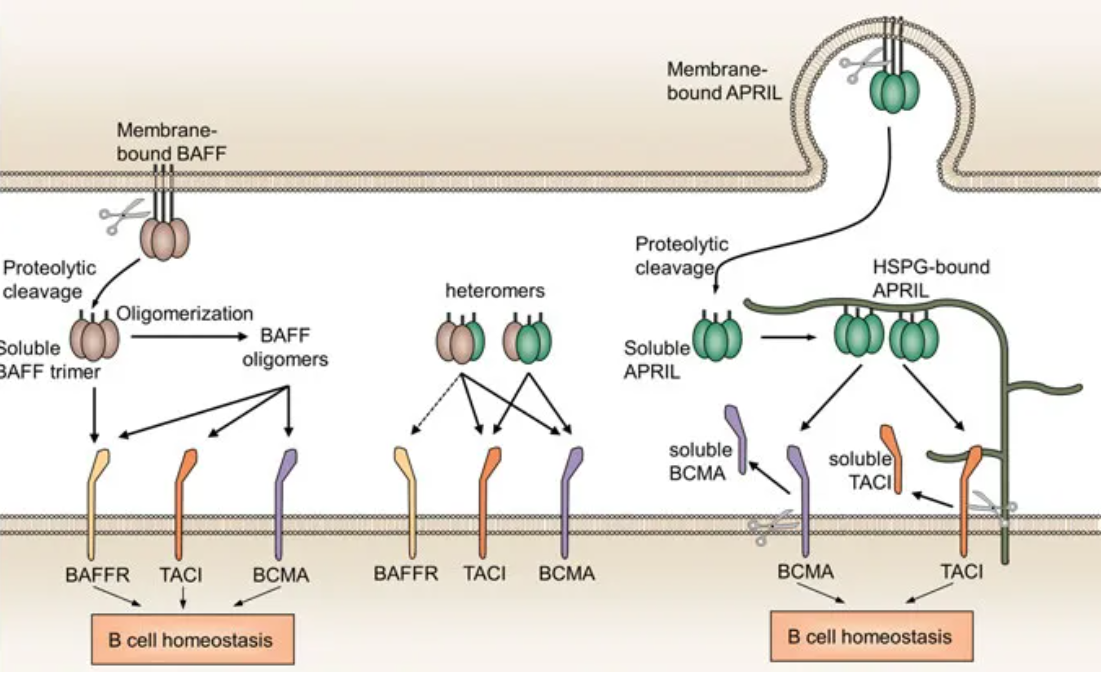
B‑cell‑activating factor (BAFF) is a core cytokine maintaining mature B‑cell homeostasis. Serum BAFF concentrations are significantly elevated in autoimmune‑disease patients, prolonging the lifespan of autoreactive B‑cells and driving sustained autoantibody production. BAFF represents a classic biomarker target for systemic lupus erythematosus.
- Clinical Status: Anti‑BAFF monoclonal antibodies are already approved for SLE treatment. Next‑generation BAFF/APRIL dual‑target fusion proteins deliver improved therapeutic efficacy and substantially lower disease‑relapse frequency.
- Research Applications: Dynamic serum BAFF profiling in lupus mouse models and clinical follow‑up samples serves as a routine reference index for evaluating disease activity and drug efficacy.
3. FcRn: Target for Antibody Recycling, a New Direction for Long‑Acting Autoimmune Therapeutics
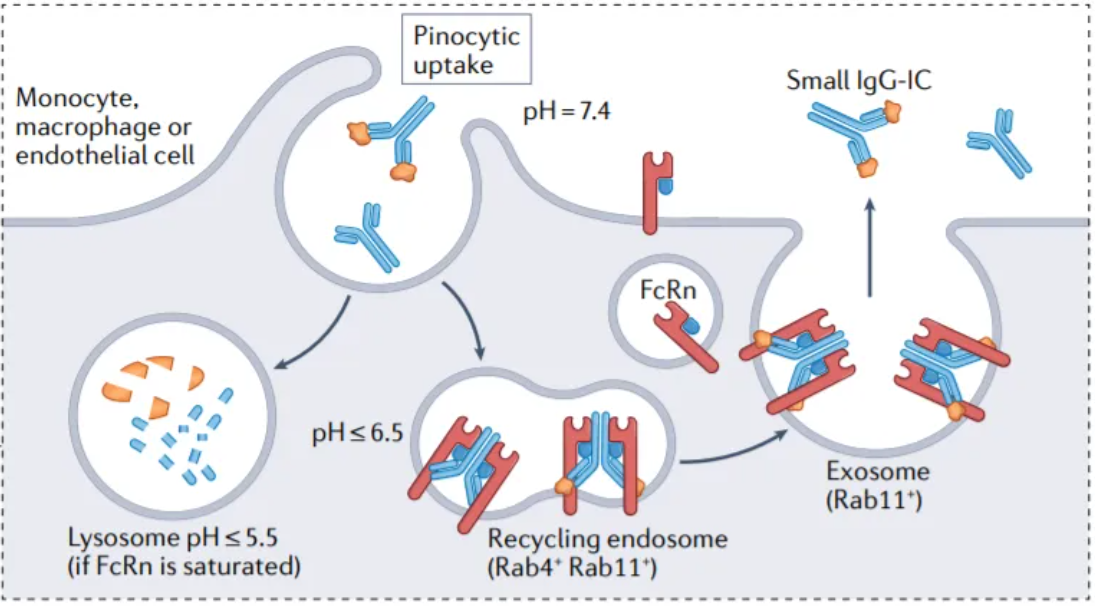
The FcRn receptor mediates intracellular recycling of circulating IgG autoantibodies and extends antibody half‑life. FcRn blockade accelerates degradation of pathogenic autoantibodies and rapidly lowers antibody titers, achieving faster therapeutic onset than conventional B‑cell‑depletion therapies. This approach is particularly promising for refractory autoimmune diseases. Driven by advantages of low dosing frequency and favorable tolerability, FcRn antagonists have seen dense pipeline filings in recent years and represent a popular differentiated R&D track.
4. IL‑4Rα: Target for Coordinated Th2‑ and B‑Cell‑Mediated Inflammation
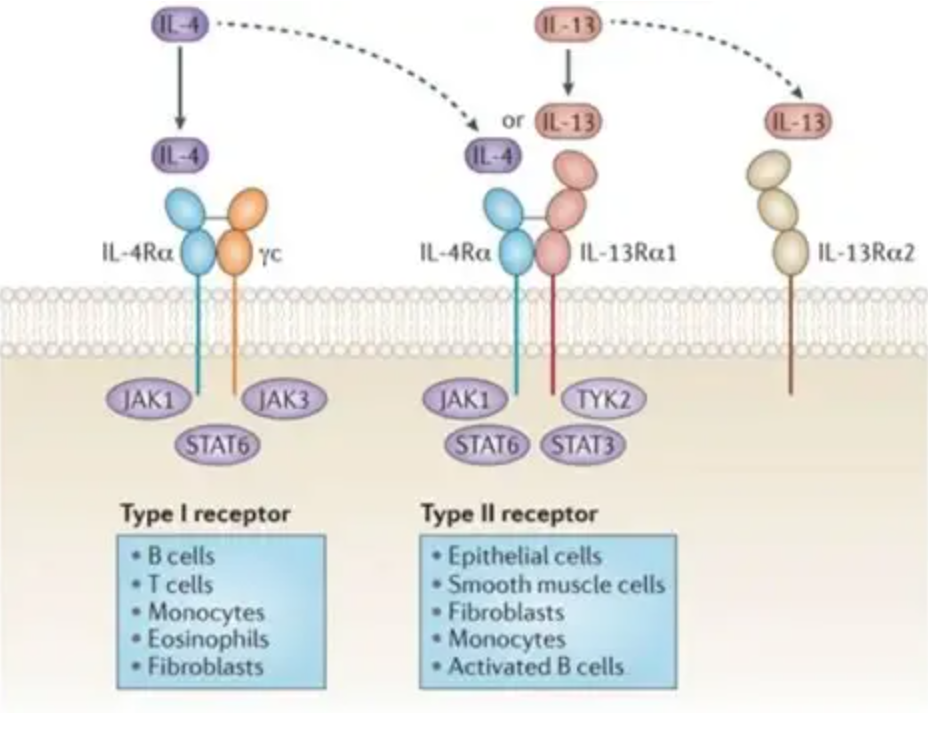
The IL‑4/IL‑13 axis signals through the IL‑4Rα receptor to bidirectionally regulate B‑cell activation as well as IgE and autoantibody synthesis. Beyond atopic dermatitis, therapeutic candidates targeting this pathway are being investigated for systemic lupus erythematosus and autoimmune urticaria, with continuously improving clinical data for corresponding monoclonal‑antibody drugs.
5. TL1A: Emerging Gut‑Immunity Target, a Promising Blue‑Ocean Target for Inflammatory Bowel Disease
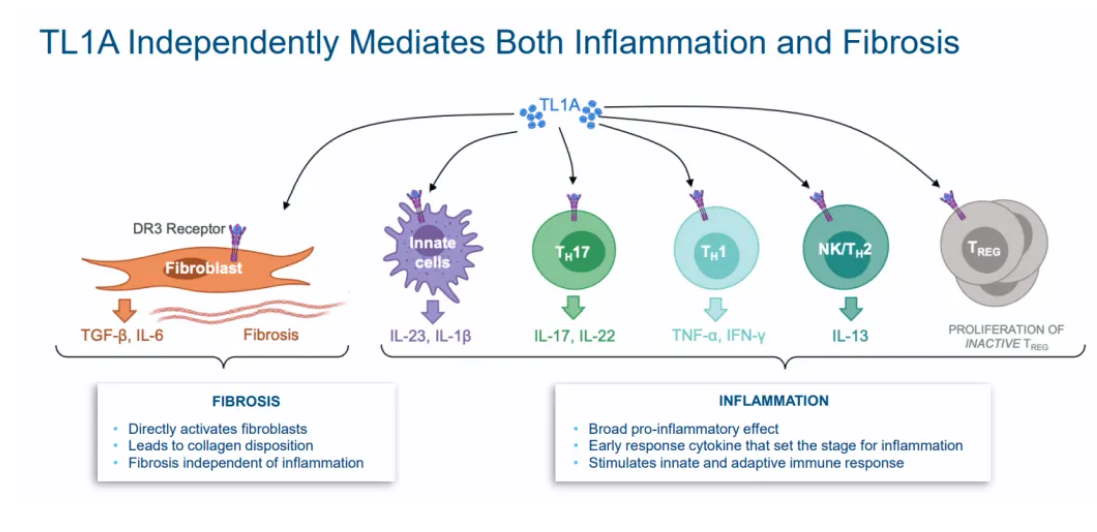
TL1A modulates chronic intestinal inflammation via crosstalk between B‑cells and innate‑immune cells. It precisely targets aberrant mucosal immune responses in the gastrointestinal tract while avoiding broad‑systemic immunosuppression, positioning it as a next‑generation high‑potential target for inflammatory bowel disease. More than ten TL1A‑directed monoclonal antibodies worldwide are currently in early‑phase clinical development.
III. Experimental Essentials for Research: Target Quantification Requires Standardized ELISA Workflows
Reliable, reproducible protein‑quantification data underpins target‑drug R&D, mechanistic exploration and pharmacodynamic validation in animal models. Artifacts including sample hemolysis, repeated freeze‑thaw cycles, inconsistent pipetting timing, inadequate plate‑washing and delayed termination‑signal readout can directly cause OD‑value drift and data bias, hindering research progress.
With extensive expertise in immunoassays, Kelu Bioscience (ELK) has developed a comprehensive ELISA‑kit portfolio covering human, mouse and rat species to support detection of B‑cell‑pathway autoimmune targets. These products are well‑suited for pre‑clinical pharmacodynamic evaluation in academic laboratories and pharmaceutical CRO facilities.

Kelu Bioscience Core ELISA Product Portfolio for B‑Cell Targets
BTK Tyrosine‑Kinase Quantification Kits Detect total BTK and phosphorylated‑BTK in cell lysates and peripheral‑blood samples. High sensitivity; inter‑batch CV < 5 %. Applied for BTK‑inhibitor screening and verification of BCR‑pathway activation.
| Cat. No. | Product Name |
|---|---|
| ELK2680 | Human Bruton Tyrosine Kinase (BTK) ELISA Kit |
| ELK5122 | Mouse Bruton Tyrosine Kinase (BTK) ELISA Kit |
| ELK7237 | Rat Bruton Tyrosine Kinase (BTK) ELISA Kit |
- BAFF ELISA Kits (multiple species including human and mouse) Standard tools for lupus‑mouse‑model establishment and clinical‑sample follow‑up. Wide detection dynamic range enabling clear discrimination of serum‑concentration differences between healthy subjects and patients with active disease.
| Cat. No. | Product Name |
|---|---|
| ELK10525 | Mouse B‑Cell‑Activating Factor (BAFF/CD257) ELISA Kit |
| ELK11553 | Monkey B‑Cell‑Activating Factor (BAFF/CD257) ELISA Kit |
| ELK2145 | Human B‑Cell‑Activating Factor (BAFF/CD257) ELISA Kit |
| ELK2145MS | Human B‑Cell‑Activating Factor (BAFF/CD257) Microsample ELISA Kit |
| ELK2346 | Human B‑Cell‑Activating‑Factor Receptor (BAFFR) ELISA Kit |
| ELK2346MS | Human B‑Cell‑Activating‑Factor Receptor (BAFFR) Microsample ELISA Kit |
| ELK6268 | Rat B‑Cell‑Activating Factor (BAFF/CD257) ELISA Kit |
| ELK7807 | Chicken B‑Cell‑Activating Factor (BAFF/CD257) ELISA Kit |
| ELK8277 | Pig B‑Cell‑Activating Factor (BAFF/CD257) ELISA Kit |
- Specific ELISA Kits for IL‑4Rα and TL1A (VEGI) Support basic research on cutting‑edge emerging targets. Complete manuals are supplied together with standardized operating guidance for sample loading, plate washing, stop‑solution addition and microplate reading.
| Cat. No. | Product Name |
|---|---|
| ELK11616 | Monkey Vascular Endothelial Growth‑Factor Inhibitor (VEGI/TL1A) ELISA Kit |
| ELK11354 | Mouse Vascular Endothelial Growth‑Factor Inhibitor (VEGI/TL1A) ELISA Kit |
| ELK11232 | Rat Vascular Endothelial Growth‑Factor Inhibitor (VEGI/TL1A) ELISA Kit |
| ELK5057 | Human Vascular Endothelial Growth‑Factor Inhibitor (VEGI/TL1A) ELISA Kit |
| ELK11495 | Monkey Interleukin‑4 Receptor (IL‑4Rα) ELISA Kit |
| ELK1785MS | Human Interleukin‑4 Receptor (IL‑4Rα) Microsample ELISA Kit |
| ELK1785 | Human Interleukin‑4 Receptor (IL‑4Rα) ELISA Kit |
- Integrated Experimental Quality‑Control Solutions Drawing upon long‑term hands‑on ELISA experience, we provide free experimental‑system‑optimization services for researchers. We help mitigate common experimental pitfalls such as bubble interference, OD‑value drift and high background signal to maximize data stability and reproducibility.
Compared with imported kits, Kelu Bioscience ELISA reagents combine robust analytical performance with cost‑efficiency and are available for rapid shipment from stock. Every product has been validated with large sets of research samples, generating publishable data for academic manuscripts, and represents a cost‑effective option for immunology researchers in China.
IV. Kelu Bioscience: Empowering Basic Immunological Research through Precision Assays
Kelu Bioscience specializes in R&D and manufacturing of in‑vitro immunodiagnostic reagents and research‑grade ELISA kits, focusing on inflammation‑immunity, autoimmune disease and tumor‑marker detection. We address real‑world experimental pain‑points faced by researchers:
✅ Rigorous quality control for kit coating and antibody‑pairing workflows to minimize background noise
✅ Full documentation of standardized end‑to‑end ELISA operating protocols (pipetting, washing, stopping and plate‑reading details)
✅ Continuous launch of new detection products for emerging pathways aligned with global target‑R&D hotspots
✅ Dedicated technical after‑sales support for troubleshooting data‑anomaly issues throughout experiments
Stable and reliable quantitative detection data lays the foundation for translating research outputs, from basic mechanistic exploration and target validation through to pharmacodynamic assessment of candidate drugs. Moving forward, Kelu Bioscience will continue tracking target‑profile updates within B‑cell‑pathway and autoimmune‑disease research, iterating our product portfolio to advance domestic basic research and innovative‑drug development for autoimmune disorders.

 RETURN